My own nutritional journey
I have always been passionate about nutrition, plants, herbs, and how they could be applied to help achieve greater wellness.

Then I had children.
That changed things. Feeding a family properly, in a normal week, with a normal amount of time, turned out to be a very different problem from understanding nutrition in theory. My interest deepened. Eventually I went back and studied it properly: five years, including clinical training.
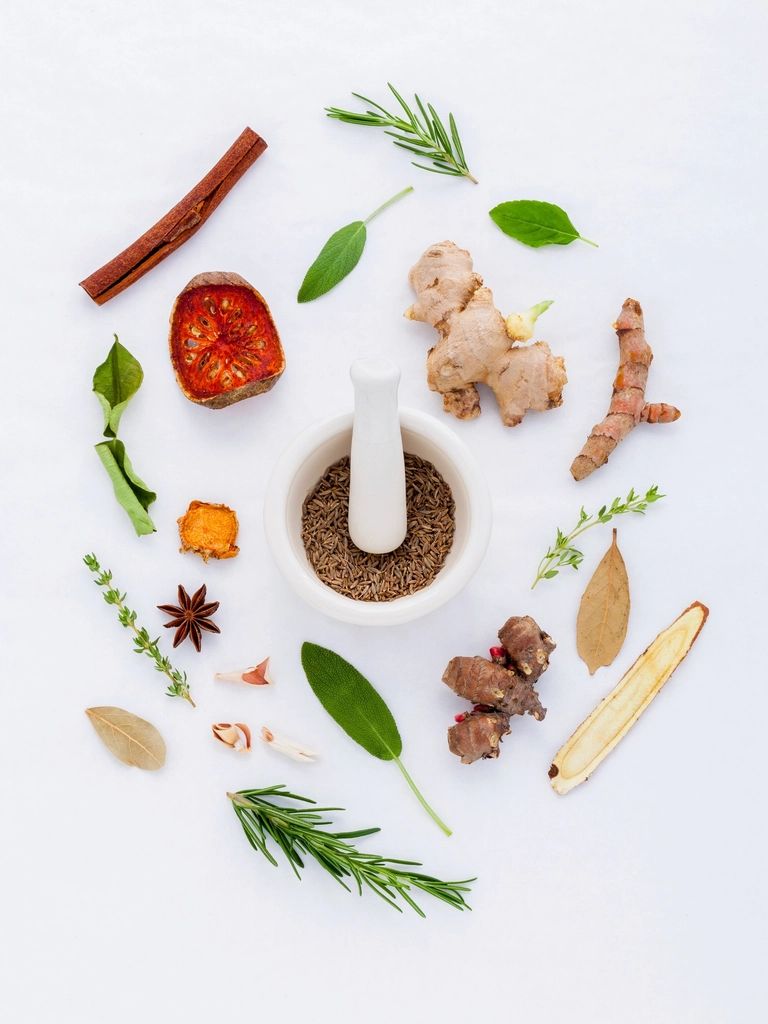
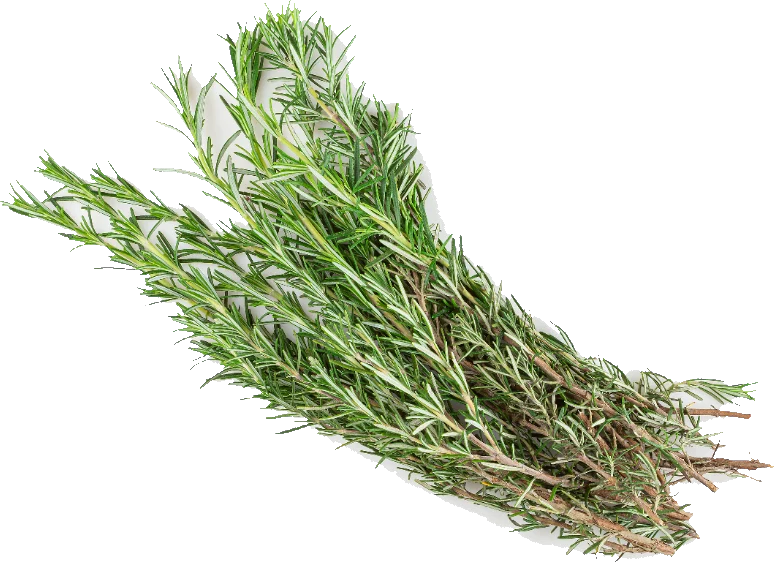
I am also an associate naturopath, which means the plant side of this work sits alongside the science rather than behind it. Rosemary. Thyme. Oregano. Ginkgo. Chamomile. These have been in kitchens and apothecaries for centuries, and modern research is now explaining a good deal of why.
What that means for you is straightforward. I listen properly, I look for the cause rather than the label, and I give you something you can actually follow on an ordinary Tuesday.
Training and qualifications
Training
Five year diploma, including supervised clinical training
Membership
Full member of the Naturopathic Nutrition Association

Registration
Registered with the General Naturopathic Council
Insurance
Fully insured to practise
How I work
The principles behind every consultation
Listening first
Your history, your routine and what you have already tried all matter. The first consultation is unhurried for a reason.
Looking for the why
Symptoms are signals. I look at how your body systems work together to find what is contributing to them.
Realistic changes
Advice that fits your week, your budget and your family, so it becomes habit rather than a short-lived plan.
Kind and confidential
No judgement and no lecturing. What you share stays between us, in line with UK GDPR.

Food first
Real food, real life, working alongside your GP
Naturopathic nutritional therapy looks at the whole picture: what you eat, how you digest it, how you sleep and how you handle stress. Food is always the starting point, because it is what you come back to every day.
It is a complementary approach. It does not replace medical diagnosis or treatment, and I will always encourage you to keep your GP informed, especially if you take prescribed medication.
- Advice based on current nutritional science
- Changes you can make in an ordinary week
- Supplements or tests only where they are genuinely useful
In their words
“I came in wanting more energy. I left understanding what my body needs at this stage of life. Practical, calm, and no lecturing.”
Helen D. · Healthy ageing
Shall we talk?
A free discovery call is the simplest place to start.